How Water Damage Can Affect Fire Restoration Efforts
When people think about fire damage, they picture flames, smoke, and charred materials. What often comes as a surprise is that some of the most serious damage happens after the fire is out.
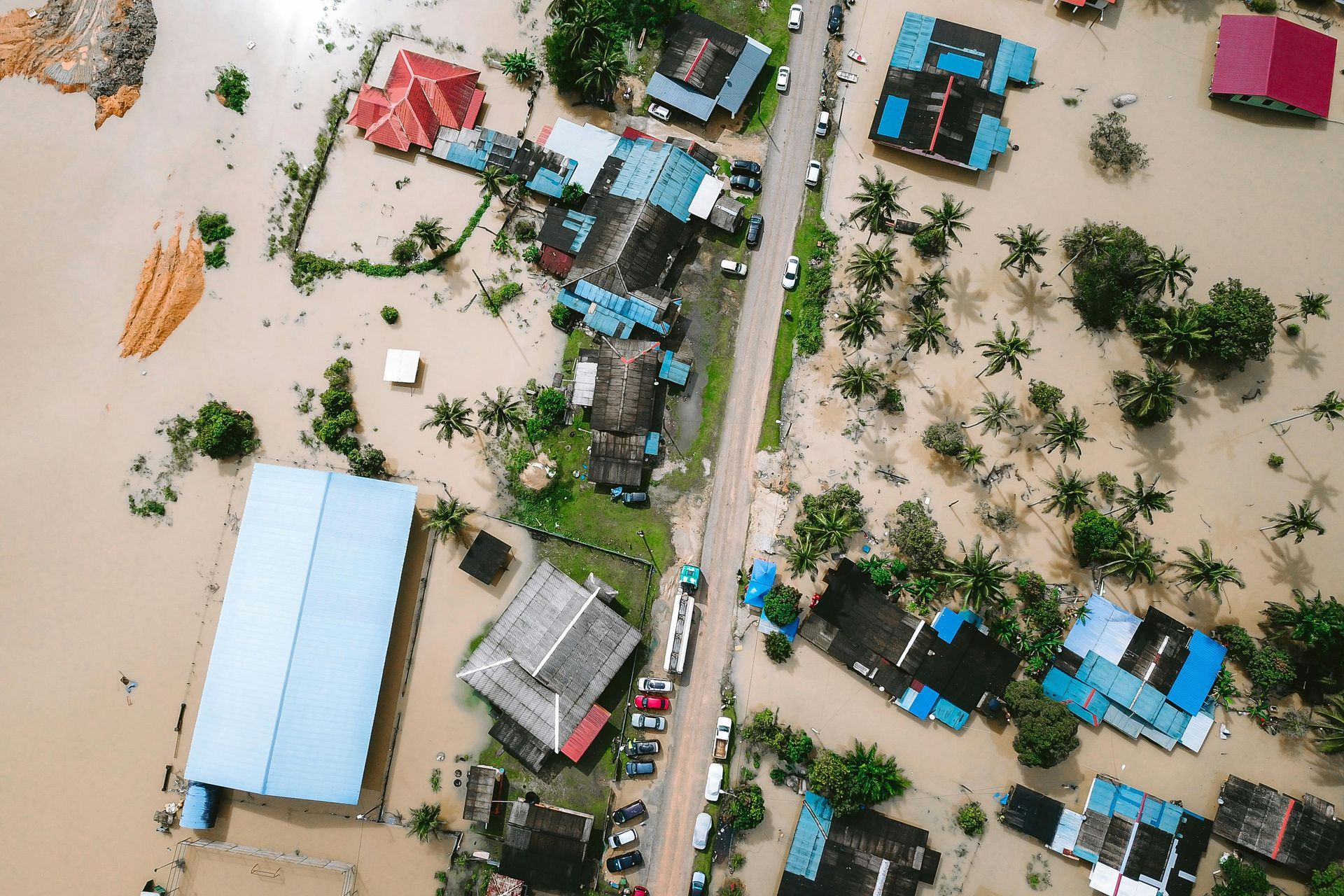
In Fort Myers, fire damage and water damage almost always go hand in hand. Between sprinkler systems, fire hoses, and emergency suppression efforts, large amounts of water are introduced into a property in a very short amount of time. That water does its job, stopping the fire, but it creates an entirely new set of problems that cannot be ignored.
Understanding how water complicates fire restoration can save time, money, and long-term headaches.
Why Fire Damage Is Almost Always Also Water Damage
Fire departments act fast, and they use whatever amount of water is necessary to stop the fire from spreading. In commercial buildings and many homes, sprinkler systems may activate automatically, soaking walls, floors, and contents even in areas untouched by flames.
Once the fire is out, the property is often left with:
- Saturated drywall and insulation
- Standing water or soaked flooring
- Wet electrical systems
- Damp furniture and personal belongings
This is why fire and water damage in Fort Myers are rarely separate issues. Treating one without addressing the other leads to incomplete restoration.
How Water Changes the Fire Restoration Process
Water dramatically alters how fire restoration must be handled. Smoke and soot behave differently when moisture is involved, and materials that might have been salvageable after a fire alone can deteriorate quickly once they are wet.
Wet soot becomes acidic and can stain surfaces more deeply. Moisture trapped behind walls creates the perfect environment for mold growth, sometimes within days. Odors also become harder to remove when smoke particles mix with damp materials.
This is where professional fire damage restoration in Fort Myers requires coordination with proper drying and moisture control rather than surface cleanup alone.
Hidden Moisture Creates Delayed Damage
One of the biggest risks after a fire is moisture that you cannot see.
Water seeps behind walls, under flooring, and into structural cavities. Even when surfaces feel dry, moisture can remain trapped inside materials. Over time, this can lead to warping, rot, corrosion, and microbial growth.
Homes and businesses that skip thorough drying often experience new problems weeks or months later. Peeling paint, musty odors, and mold outbreaks are common signs that moisture was never fully addressed.
This is why early water damage restoration in Fort Myers FL plays such a critical role in successful fire recovery.
Mold Risk After Fire Suppression
Mold does not care that a fire just happened.
Once moisture is present, mold spores that naturally exist in the air can settle and grow. In Fort Myers, warm temperatures and high humidity accelerate this process. Fire-damaged materials are already compromised, making them even more vulnerable.
When fire restoration is rushed without proper drying and monitoring, mold often becomes a secondary disaster. At that point, restoration becomes more complex, time-consuming, and expensive.
Addressing water damage immediately helps prevent mold from becoming part of the restoration equation.
Structural Materials Behave Differently When Wet
Fire weakens materials. Water finishes the job if it is not handled correctly.
Drywall loses strength when soaked. Wood framing can warp or swell. Metal components may corrode faster when exposed to moisture combined with soot residue.
Professional restoration teams assess not just visible fire damage, but how water has affected the integrity of the structure. This is a major reason fire restoration should never be treated as a simple cleanup.
Homes and commercial properties require a coordinated approach that considers both fire exposure and moisture saturation from the very beginning.
Odor Control Becomes More Challenging
Smoke odor is one of the most persistent reminders of a fire.
When water is involved, odor molecules penetrate deeper into materials. Damp insulation, padding, and fabrics absorb smoke smells quickly, and those odors become harder to remove if drying is delayed.
Proper fire restoration includes controlled drying, air movement, and deodorization strategies that account for water exposure. Skipping this step often results in odors returning long after the space looks clean.
This is why successful recovery relies on teams experienced in both fire and smoke damage restoration and moisture mitigation working together.
Why Coordinated Restoration Matters
Fire damage and water damage cannot be handled in isolation.
Drying must begin quickly, but it must also be done carefully to avoid spreading soot or damaging already weakened materials. Cleaning needs to happen in the right order. Documentation must reflect both fire loss and water intrusion for insurance purposes.
A coordinated restoration process reduces downtime, limits secondary damage, and improves the chances of restoring rather than replacing materials.
When fire and water are addressed together, the entire recovery process becomes smoother and more predictable.
What Property Owners Should Do Next
If your home or business has experienced a fire, even a small one, assume water damage is part of the picture. Do not wait for visible issues to appear.
Early assessment, professional drying, and proper restoration protect the structure, indoor air quality, and long-term value of the property.
Bringing It All Together
Fire may be the event that causes the most fear, but water is often the factor that causes the most lasting damage.
Understanding how water affects fire restoration helps property owners make better decisions during a stressful time. Addressing both issues early prevents mold, reduces repair costs, and shortens recovery time.
When fire and water damage are treated as one connected problem, restoration becomes far more effective.