Musty Smell in Your House? The Most Common Causes in Florida
You walk in the front door and there it is again. That damp, stale, slightly earthy smell that wasn't there last month, or maybe it has been creeping in for a while and you've gotten used to it. You've opened the windows, lit a candle, maybe sprayed something that smells like "linen." It always comes back.
That's the clue. A musty smell that keeps returning is rarely about the air itself. It's about moisture, and in Florida there is no shortage of places for moisture to hide.
Short answer: a musty smell usually means moisture is trapped somewhere in your home and something is growing or breaking down because of it. In Florida the most common sources are the air conditioning system, hidden leaks, a past water event that never fully dried, a damp attic or closet, and humidity that your home can't shed. The smell is a symptom, so the real job is finding where the moisture is.
Here's where we'd look first, how to narrow it down, and when it's time to bring in help.
What a Musty Smell Actually Is
That "musty" odor most people describe is what you tend to notice when materials stay damp and microbes start to grow or break things down. It can show up as mold or mildew, but it can also come from damp fabric, wet insulation, wood that keeps getting wet, or standing water that has sat too long.
A few things are worth knowing up front:
- You can smell it before you can see it. Growth behind a wall, under flooring, or inside an attic or duct system often produces a smell long before anything shows on a surface.
- A strong smell isn't always a big problem, and a faint one isn't always a small one. A damp towel can smell worse than a small hidden leak. What matters is whether the smell keeps coming back.
- Covering it up doesn't help. Air fresheners, candles, and sprays hide the odor, not the cause.
The Most Common Causes of a Musty Smell in Florida Homes
The air conditioning system
In Florida the AC runs most of the year, and it is constantly pulling moisture out of the air. When something in that system goes wrong, water ends up where it shouldn't, and the smell often shows up right when the system kicks on.
Common culprits include a clogged condensate drain line, standing water in the drain pan, moisture collecting on or around ducts, and filters that haven't been changed in a long time. If the smell is strongest near the vents or the moment the air comes on, the AC system deserves a close look. It's also worth knowing that how often your air ducts need attention in a humid climate is a very different question than in a dry one, and a musty smell coming from the vents is one of the clearer signals that the ductwork should be checked. If the ducts themselves turn out to be part of the problem, that is where duct cleaning in Fort Myers comes in.
Humidity that never gets a chance to drop
Even without a leak, a home can hold enough moisture to smell musty. Florida air is humid for most of the year, and homes that are closed up with the thermostat set high, or an AC that cools the air without running long enough to remove moisture, can stay damp. Bathrooms and laundry rooms without good ventilation, wet towels left in a pile, and a lot of cooking or showering without airflow all add to it.
If the smell is general rather than coming from one spot, and gets worse after rain or on muggy days, humidity is a likely contributor. A dehumidifier can help while you hunt for the cause, but it won't fix a leak.
Hidden plumbing leaks
A slow leak under a sink, behind a toilet, inside a wall, or beneath a washing machine can go unnoticed for a long time. Water that never gets a chance to dry out is exactly what produces that smell. Signs to watch for include a stain that appears or grows, paint that bubbles, baseboards that warp, and a damp or cool feel on a wall or floor. Water behind cabinets and appliances is a classic example, and the hidden signs of water damage behind walls and cabinets are easy to miss until the smell gives them away.
Roof, window, and wall leaks
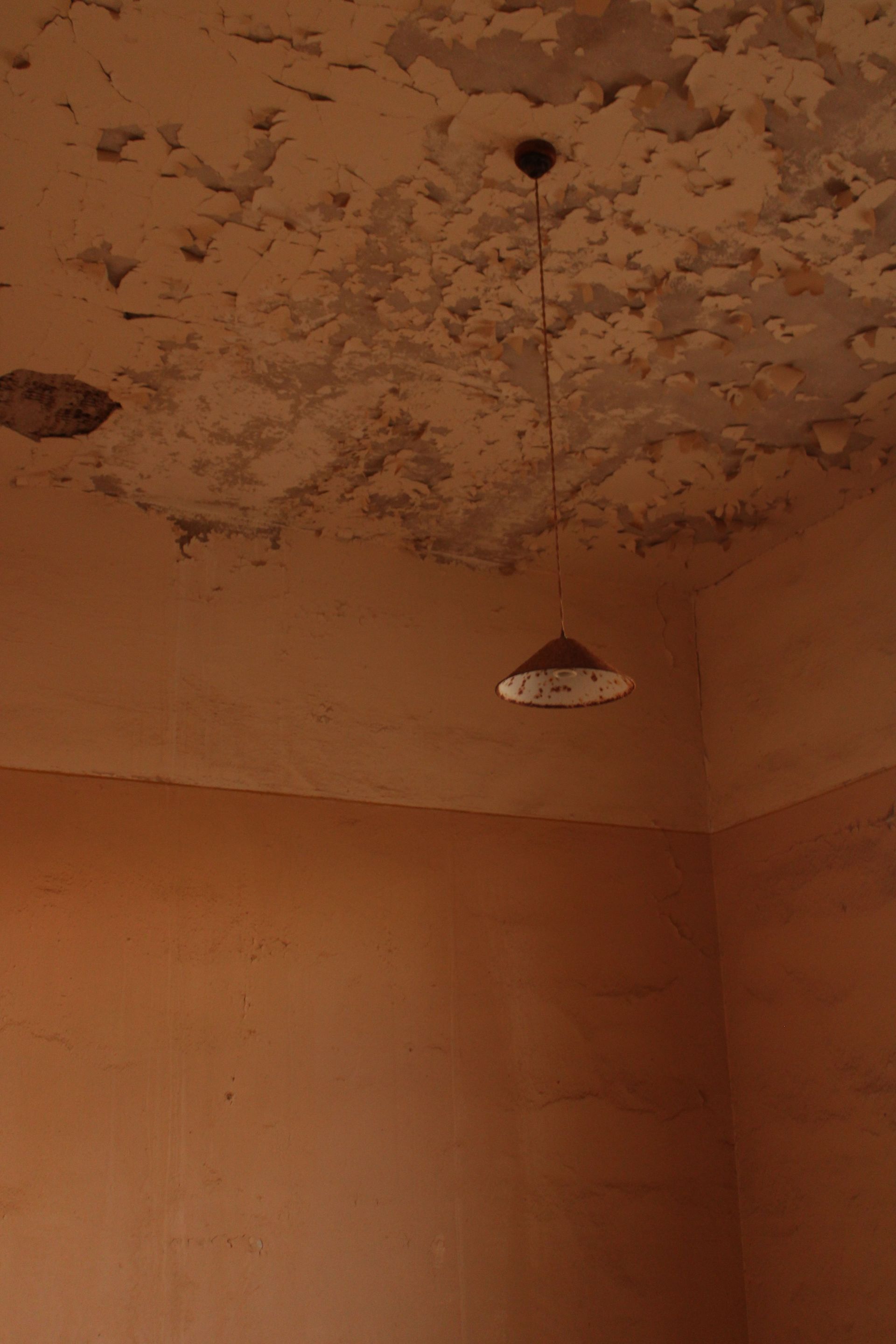
A roof leak or poorly sealed window can let in rain that soaks insulation and drywall without ever dripping on the floor. The first sign is often a smell, then a stain. If you notice a water stain on the ceiling or on a wall, the smell and the stain are probably telling you the same story, and once drywall has been wet for a while, it may be a question of whether wet drywall can be saved.
A water event that never fully dried
This one catches a lot of people. A storm, a pipe burst, an overflow, or a flood can soak into materials that look dry on the surface but still hold moisture inside the wall, under the flooring, or in the insulation. Months later the smell shows up, and nothing seems to be wrong. After a hurricane in particular, wind driven rain can end up inside walls and attics, which is part of why hurricane water damage behaves differently from ordinary flooding. And once materials stay damp, water damage can turn into mold faster than most people expect in this climate.
The attic
Heat, humidity, poor ventilation, and small roof leaks make attics a common source of musty smells that seem to come from nowhere. Because nobody looks up there regularly, a problem can build for a long time. If the smell is stronger on upper floors or you notice it near ceiling vents, attic mold in Florida homes is worth ruling out.
Closets, exterior walls, and closed up rooms
Closets on exterior walls, rooms that stay closed with no airflow, garages used for storage, and spaces behind large furniture all tend to stay damp longer. Stored fabric, cardboard boxes, and shoes soak up moisture and hold the smell. If the smell is limited to one closet or one room, check there first.
Carpet, rugs, and flooring
A past spill, pet accident, or leak can leave carpet and padding damp underneath, where it's slow to dry. If the smell is strongest at floor level or in a room where water has been an issue before, the carpet and what is under it are worth checking.
Drains and floor drains
Not every damp smell is mold. A dry or poorly sealed drain trap can let sewer odors into a room, and the smell can be mistaken for something musty. If the odor is strongest near a sink, shower, or floor drain, that is a different problem that a plumber should look at.
How to Find Where the Smell is Coming From
You don't need special equipment to start narrowing it down.
- Notice when it's strongest. Is it worse when the AC turns on, after rain, in the morning, or in one room? The pattern points to the source.
- Follow your nose room by room. Walk through the house and note where the smell gets stronger, including closets and storage areas.
- Check around water sources. Look under sinks, behind toilets, around the water heater, near the washing machine, and along the AC drain line.
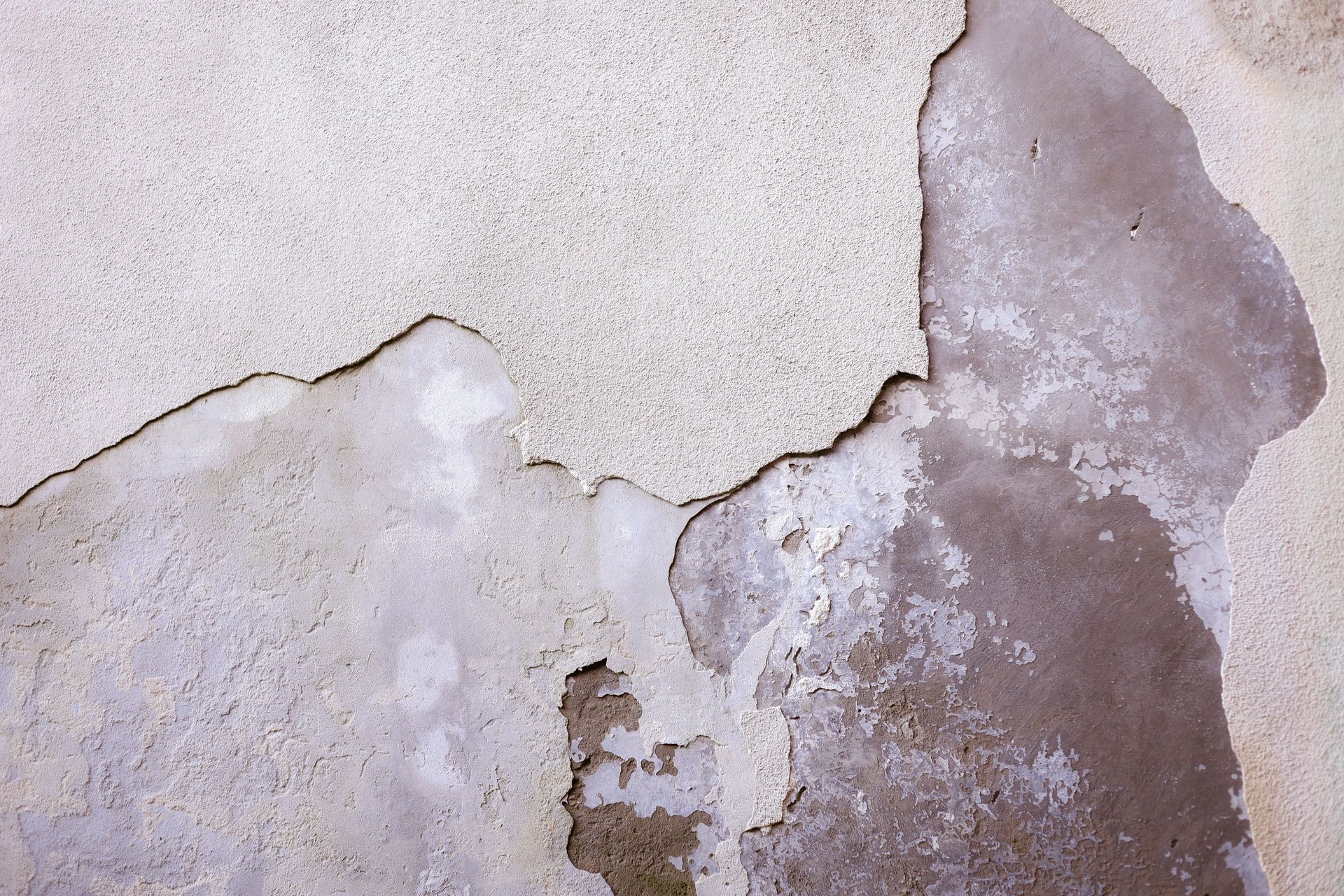
- Look for visual clues. Stains, bubbling paint, warped baseboards, peeling wallpaper, and discoloration on ceilings and walls.
- Feel for dampness. Press your hand against walls, baseboards, and floors in the area. A cool, damp, or soft spot is a strong lead.
- Check the vents. Hold your face near a vent when the system is running and see if the smell is stronger there.
- Look in the attic or ask someone to, if you can do so safely.
- Move things. Pull furniture away from walls and check behind it.
If you can't find anything but the smell persists, there's likely moisture somewhere you can't reach.
Does a Musty Smell Always Mean Mold?
Not always, but it should always make you look for moisture. A musty smell can come from mold or mildew, from damp materials breaking down, or from stale, humid air. What it nearly always means is that something is staying wetter than it should.
People describe the smell of black mold in some surprising ways, from damp earth to cigarette smoke, but you can't confirm mold by smell alone. If you see visible growth, resist the urge to spray it, because bleach rarely reaches what is growing inside porous materials. And if you're wondering whether you have to confirm what's there before anything gets removed, the answer to whether you need mold testing before remediation is not always yes.
What You Can Do Right Now
While you work out the source, a few steps keep things from getting worse:
- Fix any obvious leak and dry any wet area you can safely reach
- Run the AC and a dehumidifier, and keep doors open between rooms so air moves
- Change the AC filter if it's overdue
- Wash or discard damp fabrics, towels, and rugs
- Use exhaust fans in bathrooms and the laundry room
- Move stored items off the floor and away from exterior walls in closets and garages
- Don't paint or caulk over a stain or damp spot, and don't use air fresheners as a fix
None of these will solve a hidden leak, but they can reduce humidity and give you a clearer read on where the smell is strongest.
When It's Time to Call a Professional
You can usually handle a smell that traces to a damp towel or a dirty AC filter. It's time for help when:
- The smell keeps coming back or is getting stronger
- You can't find the source
- The smell is strongest at the vents or when the AC runs
- You see stains, bubbling paint, warped materials, or visible mold
- There's been a leak, storm, or flood, even a past one
- The smell is in the walls, ceilings, or floors
- Anyone in the home is sensitive to indoor air quality and you'd rather not wait
An inspection can use moisture readings and other tools to find water that can't be seen, which is much faster than guessing. If water is involved, our water damage restoration in Fort Myers team can dry out the structure and remove what can't be saved, and if mold is part of the picture, mold remediation deals with the growth and the moisture that fed it.
Quick Answers About Musty Smells
Why does my house smell musty when the AC turns on?
Moisture in the AC system, such as a clogged drain line, standing water in the pan, or damp ductwork, is a common cause. It's worth having the system and ducts checked.
Why does my house smell musty after rain?
Rain can reveal a roof, window, or wall leak, and it raises humidity that makes existing damp spots smell stronger.
Will a dehumidifier get rid of a musty smell?
It can reduce humidity and help, but if the smell comes from a leak or damp material, it won't fix the source.
Does a musty smell mean I need my ducts cleaned?
Not necessarily. It can come from many places. If the smell is strongest at the vents, the ductwork is worth checking along with the rest of the AC system.
Can a musty smell make you sick?
We can't give medical advice. If you or someone in your home has symptoms you think are related to the air in your house, talk to a doctor, and have the source of the smell checked.
Why is there a musty smell in my bedroom?
Bedrooms on exterior walls, rooms with vents near moisture sources, and closets can all hold dampness. Check the closet, the walls, and the AC vent first.
Can't Find the Source of That Smell? We Can Help
A musty smell is your house telling you that moisture is somewhere it shouldn't be. The sooner you find it, the smaller the fix tends to be, and the less likely it is to turn into a bigger repair.
Redline Restoration provides water damage restoration and mold remediation throughout Fort Myers and South Florida.
Get a free estimate or call (239) 356-0178 and we'll help you track down what's behind it.