Why Smoke Smell Lingers After a Fire (And Why DIY Cleaning Fails)
You open the windows. You light a candle.
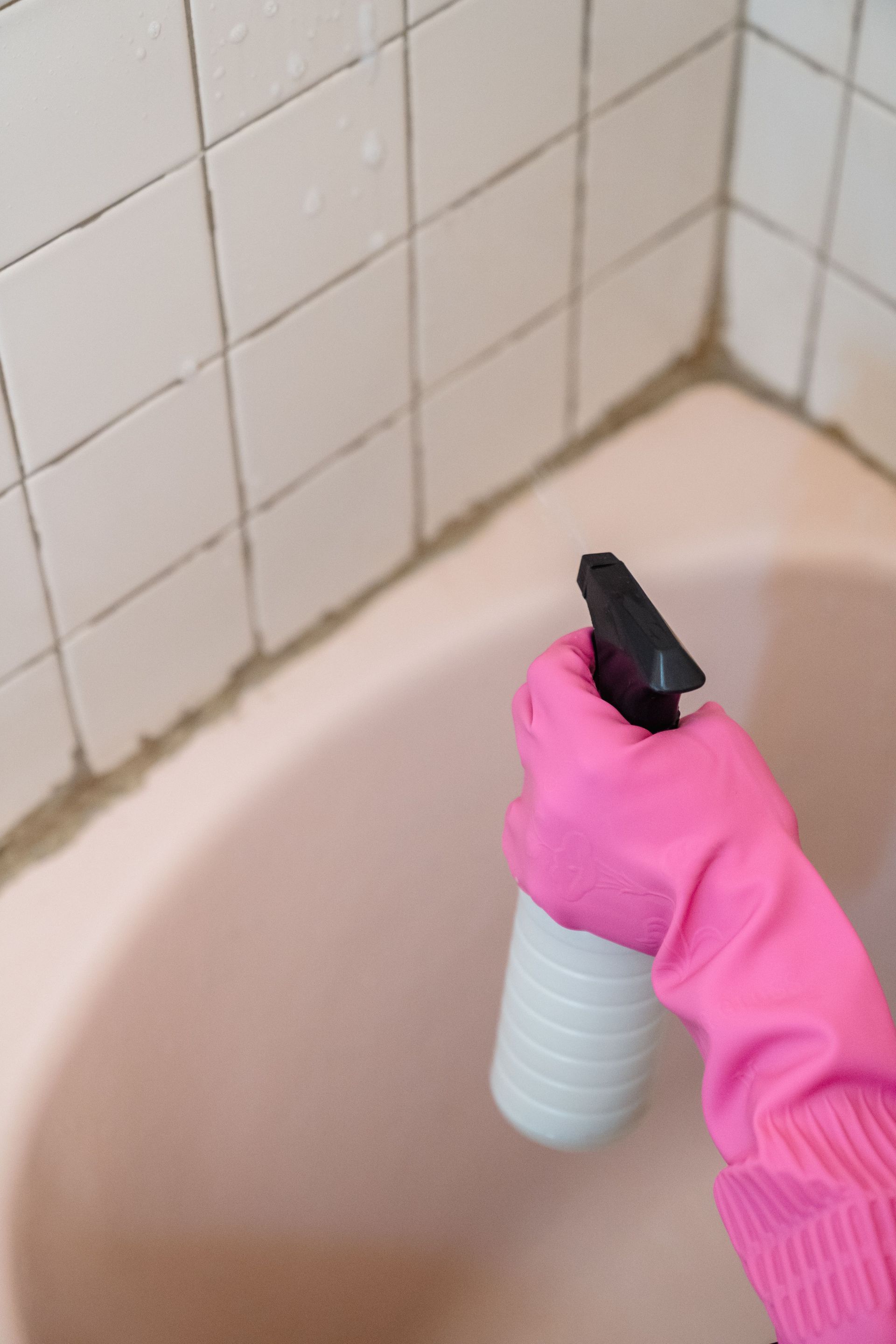
You wipe down the walls and hope that does it.
For a moment, it feels better.
Then the smell comes back.
That stubborn smoke odor after a fire is one of the most frustrating parts of the whole situation. It lingers in the air, settles into your furniture, and somehow finds its way back no matter how much you clean.
If you’ve dealt with it, you already know. It is not just a smell. It is a reminder that something deeper is still there.
Smoke Smell Is Not Just in the Air
This is the biggest misconception.
Most people think the odor is floating around and just needs fresh air. In reality, smoke particles embed themselves into materials all over your home.
After a fire, smoke can settle into:
- Drywall
- Wood
- Carpet
- Upholstery
- Insulation
- Air ducts
That means even if the air smells better for a while, the source is still sitting inside the materials.
This is why professional smoke odor removal is about treating the entire space, not just freshening the air.
What Smoke Particles Actually Do
Smoke is made up of microscopic particles that behave differently depending on the type of fire.
These particles:
- Stick to surfaces
- Absorb into porous materials
- Travel through ventilation systems
- React with humidity in the air
In Florida, humidity makes this worse. Moisture in the air can react with smoke residue and intensify the odor over time.
This is also why homes that have experienced fire damage restoration Fort Myers situations often need deeper treatment than expected.
Why the Smell Gets Worse Over Time
Here’s the part that surprises most people.
Smoke odor does not always fade. Sometimes, it actually gets stronger.
That happens because:
- Residue continues to release odor particles
- Humidity reactivates trapped smoke
- HVAC systems circulate particles through the home
- Materials like fabric and insulation hold onto odor
You might clean one area, but the smell is still being released from somewhere else.
It is similar to how hidden water damage behind walls and cabinets spreads quietly. You cannot fix what you cannot fully see.
Why DIY Cleaning Usually Fails
Let’s be honest. Most people try to handle it themselves first.
It makes sense. The damage does not always look severe, and professional cleanup can feel like a big step.
But here’s where DIY cleaning falls short.
It Only Treats the Surface
Wiping walls and cleaning floors may remove visible soot, but it does not remove particles embedded deeper in materials.
It Can Spread the Problem
Using the wrong products or techniques can actually push soot further into surfaces.
For example:
- Wet wiping soot can smear it into paint
- Scrubbing can embed particles deeper
- Sprays can temporarily mask odors instead of removing them
Air Fresheners Don’t Remove Odor
Candles, sprays, and diffusers only cover the smell.
Once they fade, the odor is still there.
HVAC Systems Get Overlooked
Smoke particles often settle inside air ducts.
Every time the system runs, it can reintroduce the smell throughout the home.
This is one of the biggest reasons DIY efforts fail. The source keeps circulating.
Real-Life Example
A small living room fire is put out quickly.
At first:
- Light soot on walls
- Mild odor
- Minimal visible damage
Homeowner cleans surfaces and opens windows.
A week later:
- Smell returns stronger
- Furniture starts holding odor
- Air feels heavy
- HVAC spreads the smell to other rooms
At this point, full fire damage cleanup becomes necessary to remove the embedded smoke particles.
What Actually Removes Smoke Odor
Professional smoke odor removal focuses on eliminating the source, not masking it.
This often includes:
- HEPA air filtration to capture airborne particles
- Thermal fogging to neutralize odor molecules
- Ozone or hydroxyl treatments
- Deep cleaning of surfaces and materials
- Removal of heavily affected materials when needed
These methods reach areas that standard cleaning cannot.
Why Smoke Odor and Water Damage Are Connected
After a fire, water used to put it out can soak into the property.
This creates two overlapping problems:
- smoke contamination
- moisture trapped in materials
That moisture can lock in smoke particles and even lead to mold growth if not properly dried.
This is why many homes require both water damage restoration Fort Myers FL and fire-related cleanup at the same time.
Skipping the drying process can make odor problems worse.
When to Call for Professional Help
You should consider professional cleanup if:
- The smell comes back after cleaning
- Odor spreads to other rooms
- You notice staining or residue
- HVAC seems to carry the smell
- The fire affected more than one area
Smoke odor rarely resolves on its own.
The Cost of Waiting
The longer smoke particles sit inside materials, the harder they are to remove.
Over time:
- Odors become more embedded
- Materials may need replacement
- Cleanup becomes more complex
- Costs increase
Acting early keeps the problem manageable.
What This Really Means for Your Home
Smoke smell is not just a temporary inconvenience.
It is a sign that particles are still present in your home.
Until those particles are fully removed, the odor will continue to return.
That is why surface cleaning alone rarely works.
The real solution is removing the source completely so your space can actually feel clean again.