Mold vs Mildew: What Fort Myers Homeowners Should Know
If you live in Fort Myers, chances are you’ve seen it before. A dark spot creeping along a bathroom ceiling. A musty smell that shows up after a rainy week. Something fuzzy around a window frame that wasn’t there last month.
Most people look at it and think, “Is that mold? Or is it just mildew?”
The truth is, knowing the difference actually matters more than you might think.
In Florida’s humid climate, mold and mildew are common house guests. One is usually manageable. The other can quietly turn into a much bigger problem if it’s ignored.
Mold and Mildew Are Related, But Not the Same
Mold and mildew are both types of fungi. They thrive in warm, damp environments, which is basically a description of Fort Myers most of the year. That’s where the similarities end.
Mildew is usually a surface-level issue. It often appears as a thin, powdery growth that’s white, gray, or light yellow. You’ll commonly find it on bathroom walls, shower grout, windowsills, or outdoor surfaces.
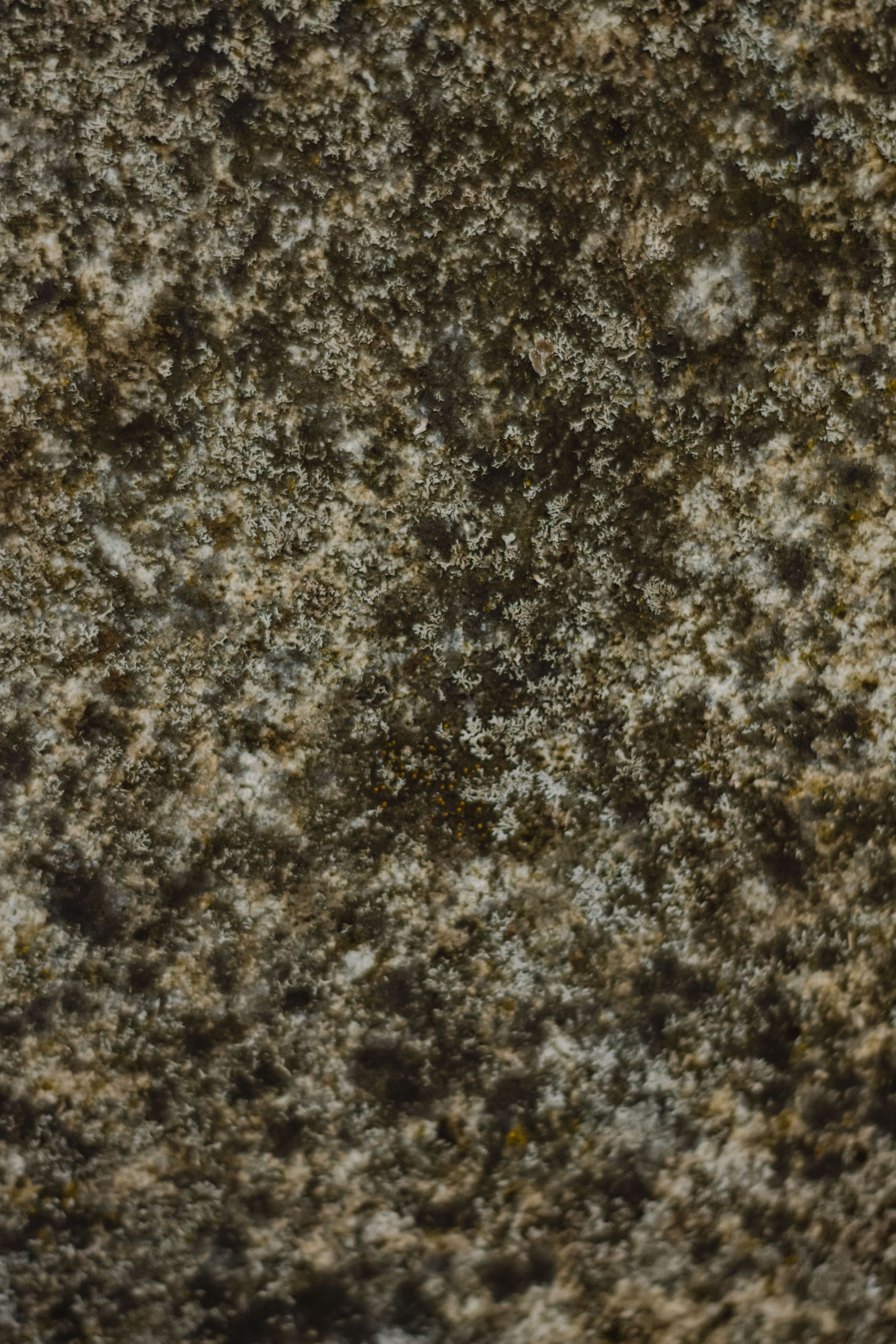
Mold is more aggressive. It tends to look darker, often black, green, or brown, and it can grow deeper into walls, ceilings, flooring, and insulation. Mold feeds on organic materials and spreads through microscopic spores that float through the air.
This difference is why mildew is often a cleaning issue, while mold becomes a restoration issue.
Why Fort Myers Homes Are Especially Vulnerable
High humidity, frequent storms, and sudden temperature changes create the perfect conditions for mold growth. Even homes that look clean and well-maintained can develop hidden moisture.
Air conditioning systems run constantly, which can create condensation. Afternoon storms push moisture into small cracks. A minor plumbing leak or past water damage can stay unnoticed behind walls for weeks.
Many cases of mold remediation start with a homeowner noticing mildew and later realizing there is something deeper going on.

How to Tell If You’re Dealing With Mildew
Mildew usually gives you a warning before it becomes serious.
You might notice:
- A light, dusty or powdery substance on surfaces
- A mild musty smell that fades after cleaning
- Growth limited to bathrooms, kitchens, or laundry rooms
- Discoloration that wipes away easily
If it stays on the surface and responds to proper cleaning, you are likely dealing with mildew.
That said, repeated mildew growth can be a sign that moisture is not being controlled properly. In Fort Myers homes, recurring mildew often points to ventilation or humidity issues that should not be ignored.
Signs It May Actually Be Mold
Mold tends to be more stubborn and more concerning.
Common signs include:
- Dark spots that spread or return quickly
- A strong, persistent musty odor
- Discoloration on walls, ceilings, or baseboards
- Peeling paint or warped drywall
- Increased allergy symptoms or respiratory irritation
If you have had recent water damage, flooding, or plumbing issues, mold becomes even more likely. In many homes, mold is discovered during water damage restoration when wet materials are removed.
Health Concerns Homeowners Should Not Ignore
Mildew can cause mild irritation for some people, especially those with allergies. Mold, on the other hand, can trigger more serious health symptoms.
Exposure to mold spores may cause coughing, headaches, congestion, skin irritation, or worsening asthma symptoms. Children, seniors, and anyone with respiratory conditions are especially vulnerable.
This is one reason professional mold remediation focuses not just on removal, but on containment and air quality control.
Why Cleaning Mold Yourself Can Make Things Worse
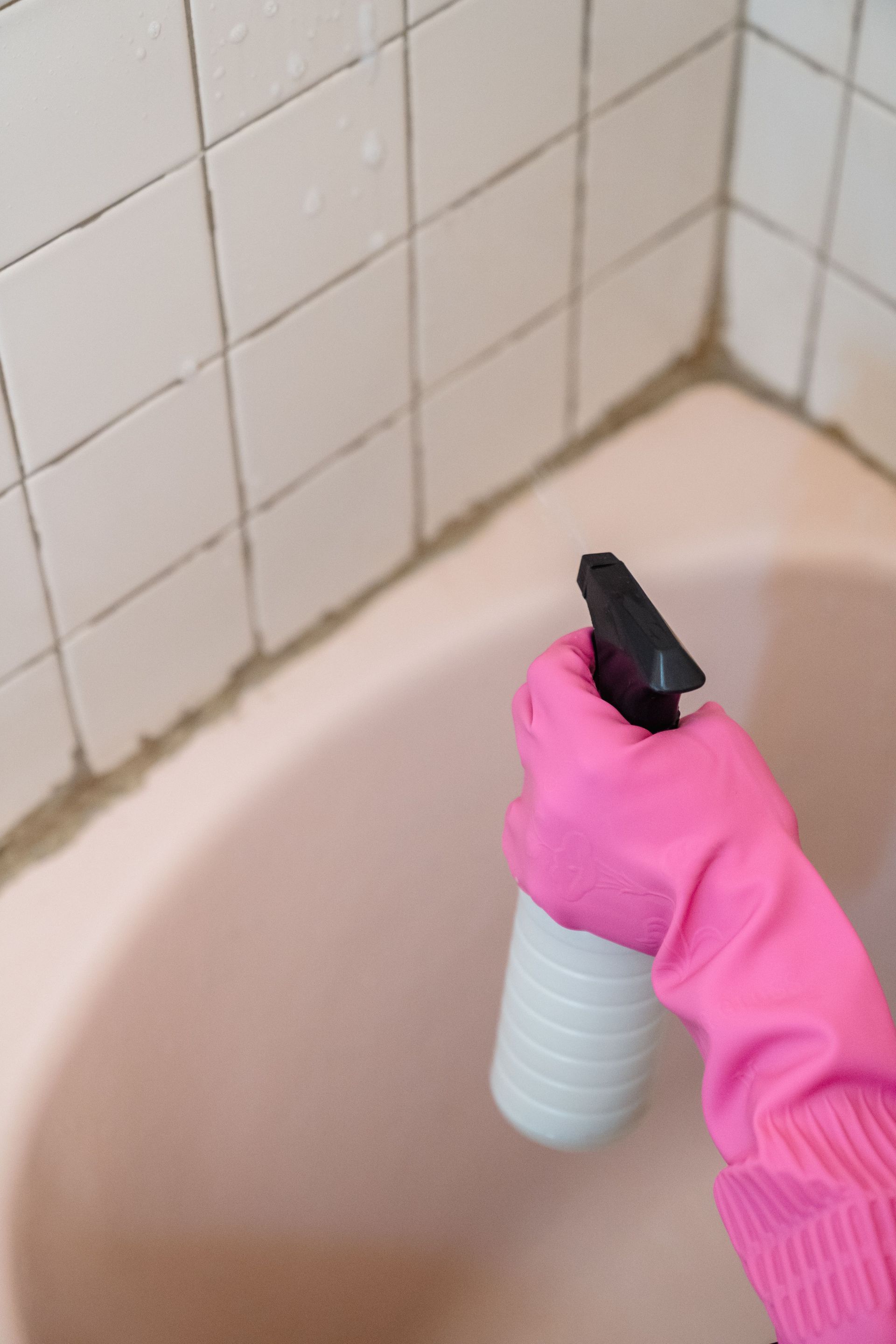
One of the biggest mistakes homeowners make is trying to treat mold the same way they treat mildew.
Scrubbing visible mold without proper containment can release spores into the air, spreading the problem to other rooms. Bleach often discolors mold without killing it at the root, especially on porous surfaces like drywall or wood.
We often see situations where a small mold problem turns into a full-home issue because the underlying moisture source was never addressed.
Mold, Mildew, and Water Damage Are Often Connected
Mold does not grow without moisture. If mold is present, there is usually a water source involved, even if it is hidden.
This could be:
- Past storm damage
- Slow plumbing leaks
- Appliance failures
- Roof or window leaks
- Flooding or fire suppression water
Many Fort Myers homeowners first notice mildew, then later discover mold during water damage restoration after materials are opened up.
When It’s Time to Bring in a Professional
If growth keeps coming back, spreads quickly, or appears in multiple areas of the home, it is time to stop guessing.
Professional assessment helps determine:
- Whether the issue is mold or mildew
- How far it has spread
- What moisture source is feeding it
- What materials are affected
- How to prevent it from returning
Addressing the root cause is the only way to truly protect your home long term.
Protecting Your Home Moving Forward
Living in Fort Myers means living with humidity, but it does not mean living with mold problems.
Keeping moisture under control, responding quickly to leaks, and paying attention to early signs can make a huge difference. Understanding the difference between mold and mildew gives you the confidence to act early and avoid costly repairs later.
Sometimes a small spot really is just mildew. Other times, it is your home asking for attention before things get worse.
Knowing which is which and getting
professional mold remediation is one of the smartest things a homeowner can do.