Why DIY Water Cleanup Can Make Damage Worse
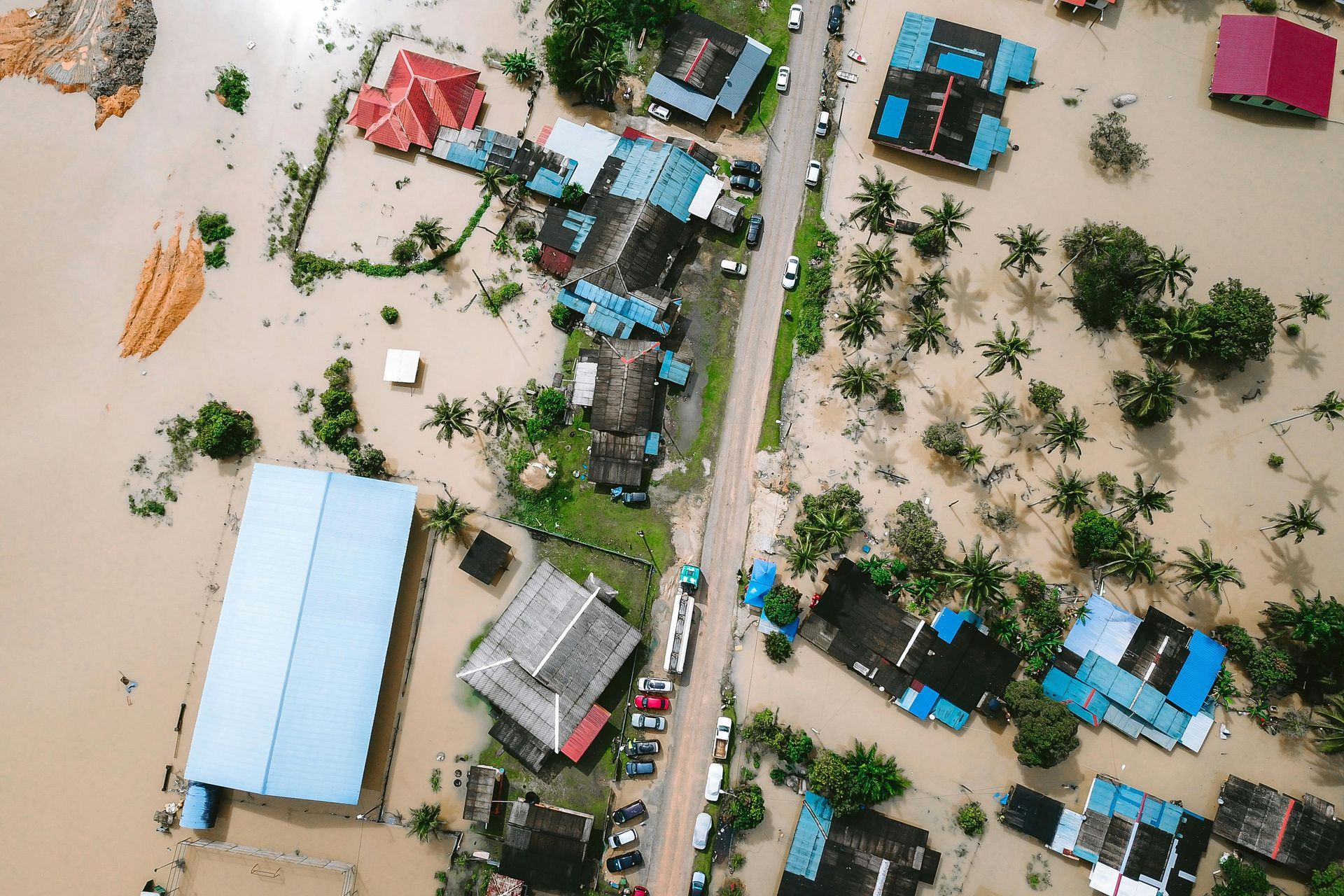
That sinking feeling when you step into a wet room is something most homeowners never forget. A burst pipe, overflowing toilet, storm flooding, or leaking appliance can turn into a mess fast. The first instinct is almost always the same. Grab towels. Pull out a shop vac. Start mopping.
It feels productive. It feels responsible. And in small surface spills, it can help.
But when real water damage is involved, DIY cleanup often makes things worse, not better.
Hidden moisture, contaminated water, and structural damage do not always show themselves right away. What looks dry on the surface can be quietly spreading behind walls, under flooring, and inside cabinets. This is where many well meaning homeowners accidentally turn a manageable problem into a major restoration project.
Water Travels Farther Than You Think
Water is sneaky.
It flows downhill, seeps sideways, and absorbs into porous materials fast. By the time you notice water on the floor, it has often already reached:
- Subfloors
- Drywall
- Baseboards
- Insulation
- Cabinets
- Furniture frames
Even if you extract visible water, moisture can remain trapped deep inside building materials.
This is why trained technicians use moisture meters, thermal imaging, and professional drying systems. Without those tools, it is nearly impossible to confirm that everything is truly dry.
Lingering moisture becomes the perfect environment for mold growth, odors, and material breakdown.
If your home has experienced flooding, pipe leaks, or appliance overflows, professional water damage restoration Fort Myers FL services focus on both visible and hidden moisture to prevent long term damage.
Household Equipment Is Not Built for Restoration
Shop vacs, fans, and dehumidifiers from big box stores are great for comfort. They are not designed for large scale water extraction or structural drying.
Professional restoration equipment includes:
- High-powered truck-mounted or portable extractors
- Commercial air movers that create controlled airflow
- Industrial dehumidifiers that pull moisture from the air and materials
- Containment systems to control humidity and airflow
Without this level of equipment, drying is slow and uneven. Some areas may dry while others stay wet, creating prime conditions for mold and bacterial growth.
That delay alone can multiply repair costs.
Mold Can Start Growing Within 24 to 48 Hours
One of the biggest dangers of DIY water cleanup is time.
Mold spores exist naturally in indoor air. When moisture is present, those spores can begin growing quickly. In warm, humid climates like Fort Myers, the risk is even higher.
Early mold growth is often invisible. It can develop:
- Behind drywall
- Under carpet
- Inside wall cavities
- Beneath flooring
By the time discoloration or odors appear, contamination may already be widespread.
Professional restoration teams monitor moisture levels throughout the drying process and know when mold remediation is necessary to stop the problem before it spreads.
Dirty Water Brings Health Risks
Not all water is clean.
Water from:
- Sewer backups
- Toilet overflows
- Storm flooding
- Dishwasher or washing machine backups
can contain bacteria, viruses, and other contaminants.
DIY cleanup without proper protective gear and disinfection procedures exposes homeowners to serious health risks.
Professional water damage restoration includes proper sanitization, antimicrobial treatments, and safe disposal of contaminated materials.
This protects both your home and your family.
Structural Materials Can Be Permanently Damaged
Water weakens building materials over time.
Drywall swells and crumbles. Wood warps and rots. Flooring separates. Cabinets lose integrity.
DIY drying often focuses only on what you can see. Meanwhile, moisture continues breaking down materials from the inside out.
Restoration professionals evaluate which materials can be saved and which must be removed. Catching this early prevents structural issues and costly rebuilds later.
Insurance Claims Can Be Complicated by DIY Attempts
Many homeowners start cleanup before documenting damage properly.
Unfortunately, this can make insurance claims harder.
Insurers typically require:
- Photos of affected areas
- Moisture readings
- Documentation of water source
- Professional assessments
Improper cleanup can remove evidence of damage or make it difficult to determine what occurred, leading to delayed or reduced coverage.
Professional restoration companies document conditions from the start and provide detailed reports that support insurance claims.
Odors and Hidden Damage Often Return
You may think everything is fine after drying the surface.
Then weeks later:
- Musty smells appear
- Flooring starts buckling
- Paint begins bubbling
- Walls feel soft
These are signs of moisture that was never fully removed.
At that point, repairs are usually more invasive and more expensive than if professional drying had been done immediately.
When DIY Is Okay (And When It Is Not)
DIY cleanup is generally fine for:
- Small spills
- Minor surface water with no saturation
- Quick towel and mop cleanup
Professional restoration is recommended when:
- Water has soaked into carpet, drywall, or flooring
- There is standing water
- The source is unknown or contaminated
- Water has been present for more than a few hours
- You notice odors, staining, or swelling
When in doubt, a professional assessment is always safer.
The Smarter Option After Water Damage
Trying to save money with DIY water cleanup often leads to higher costs later. Mold growth, structural repairs, and repeated issues quickly add up.
Professional water damage restoration focuses on:
- Complete moisture detection
- Proper extraction and drying
- Preventing mold growth
- Protecting structural integrity
- Supporting insurance claims
It is not just about removing water. It is about protecting your home long term.
If your property has experienced water intrusion, reaching out for professional help early can make all the difference between a simple restoration and a major rebuild.
Sometimes the best move is not grabbing a mop.
It is calling in the people who have the tools, training, and experience to truly make your home safe again.