Water Damage Restoration in Miami: Signs You Need Professional Help Fast
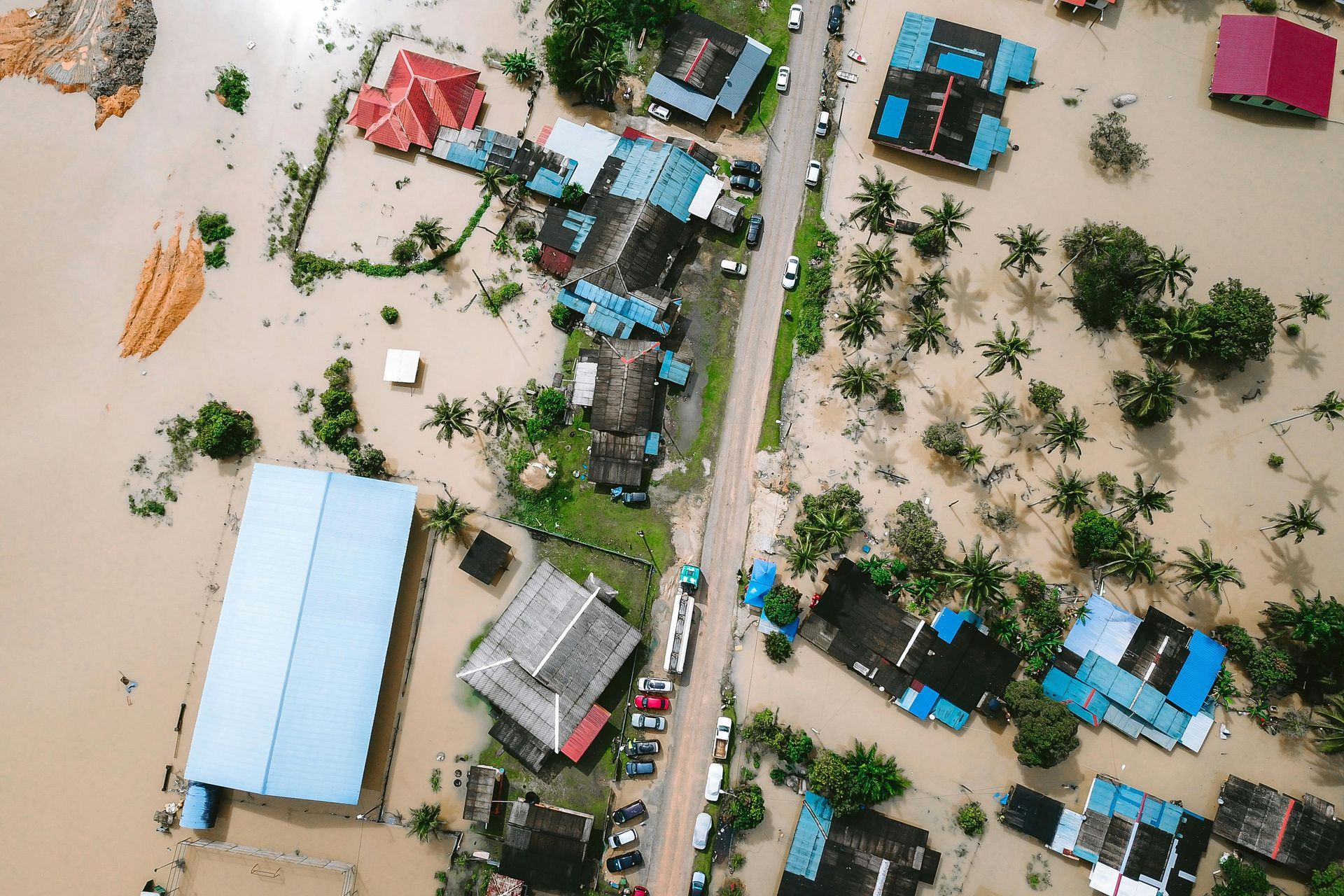
Miami's water damage risk isn't quite like most other cities, and it's worth understanding why before you're standing in it. The ground itself works against you here: Miami-Dade sits on porous limestone, which means groundwater can seep upward through the ground during heavy rain or high tides, not just flow in from the surface the way it does almost everywhere else. Add hurricane storm surge from the Atlantic on one side and an inland canal system that can reach capacity during heavy rainfall on the other, and Miami properties face water risk from multiple directions at once, sometimes literally from below.
Signs You're Dealing With Real Damage, Not Just a Wet Spot
A few things separate a problem that needs immediate professional attention from something you can mop up and move on from:
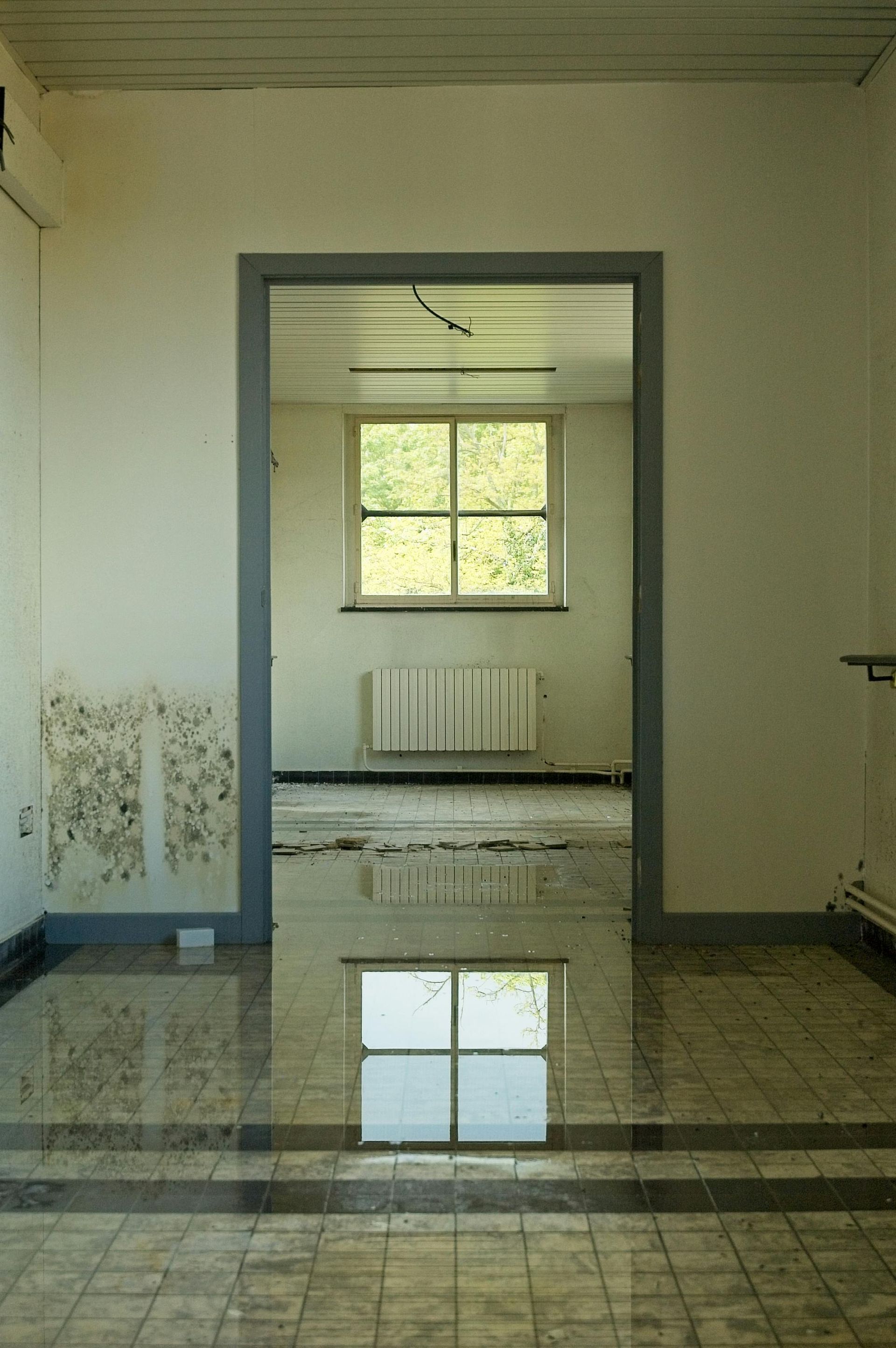
- Standing water that doesn't recede on its own, especially anywhere below grade or on a ground floor.
- Discoloration or staining that keeps spreading on walls, ceilings, or baseboards, this usually means water is still moving through the material, not just sitting where you can see it.
- A musty smell, particularly one that shows up or gets stronger after a storm or heavy rain, that's often the first sign of moisture somewhere you can't see yet.
- Buckling, warping, or soft spots in flooring, wood and laminate flooring absorb water and change shape well before drywall or paint shows obvious damage.
- Bubbling or peeling paint, or soft drywall you can press a finger into, means moisture has already gotten behind the surface.
- A ceiling that feels soft or is visibly sagging. This is one of the more urgent signs on this list, saturated drywall can fail without much additional warning.
- Outlets or switches that trip, spark, or feel damp. Water and electrical systems are a genuine safety issue, not just a property one, if you notice this, shut off power to that area if you can safely do so and treat it as urgent.
Time matters here for a specific reason: mold can begin colonizing a wet surface within 24 to 48 hours. That window is the same whether the water came from a storm, a pipe, or rising groundwater, the source doesn't change the clock.
Where Miami's Water Damage Actually Comes From
It's usually one of a few sources, and knowing which one matters for both the fix and the insurance claim:
Storm surge. Hurricane-force winds push seawater inland rapidly, sometimes with very little warning. Coastal properties, particularly those in FEMA's VE (velocity) zones, face additional risk from wave action on top of the rising water itself.
Inland and canal flooding. Miami-Dade's extensive canal system, managed regionally, can reach capacity during heavy rainfall independent of any storm surge event. This is freshwater flooding, and it's a separate risk from coastal surge, a property can flood from this even without a hurricane involved.
Groundwater seepage. Because of the area's limestone geology, water can rise up through the ground itself during periods of high water table, sometimes showing up as damp flooring or baseboards with no obvious leak or storm event at all.
Plumbing failures. Less exotic, but still one of the most common causes, and importantly, this one is typically a homeowners insurance issue rather than a flood insurance issue, which brings up the part most Miami homeowners get wrong.
The Insurance Distinction That Catches People Off Guard
This is worth understanding before damage happens, not after. In Miami, you're often dealing with two entirely separate types of coverage:
Standard homeowners insurance typically covers wind damage, wind-driven rain, and water damage from an internal source like a burst pipe, along with a separate hurricane deductible, often somewhere in the range of 2 to 5 percent of your dwelling coverage.
Flood insurance is a separate policy entirely, usually through the National Flood Insurance Program (NFIP), and it's what actually covers storm surge, canal overflow, and rising water from an external source. A standard homeowners policy generally excludes this. If you don't have a separate flood policy and your damage came from surge or inland flooding rather than a pipe, that gap can be a very expensive surprise.
If you're not sure which category your damage falls into, that's a genuinely reasonable thing to be unsure about, and it's worth getting a professional assessment early specifically so your documentation supports whichever claim actually applies.
What To Do In The First 48 to 72 Hours
Florida insurance policies generally require timely notice of a claim, and adjusters expect documentation. A few things worth doing right away, before cleanup starts:
- Take photos and video of the damage before you move or remove anything.
- Stop further damage where you safely can, a tarp over a roof leak, water shut off at the source, but don't fully remediate before documenting.
- Keep every receipt connected to emergency mitigation.
- Get a professional assessment early. Beyond the safety and mold-timeline reasons above, it also means someone experienced is documenting the damage correctly from the start, which matters more than most homeowners realize once a claim is actually being reviewed.
Miami and South Florida, Handled Fast
Redline Restoration provides water damage restoration throughout Miami and the surrounding area, and we understand the specific mix of storm surge, canal flooding, and groundwater issues that make Miami different from most of the country. If you're seeing any of the signs above, get a free estimate or call (239) 356-0178, don't wait out the 24 to 48 hour window mold doesn't wait for either.