Water Damage Services Near Cape Coral, FL: What Homeowners Should Know During Storm Season
If you've lived in Cape Coral for more than one storm season, you already know how quickly the weather can change.
One moment it's sunny. A few hours later, streets are filling with water, canals are rising, and homeowners are checking ceilings, windows, and sliding doors for signs of leaks.
Storm season brings a lot of uncertainty to Southwest Florida, but one thing remains consistent every year: water damage is one of the most common reasons homeowners need emergency restoration services.
The challenge is that water damage is not always obvious right away.
Sometimes it starts with a small roof leak. Sometimes it's wind-driven rain finding its way through a window seal.
Sometimes it's flooding from heavy rainfall that overwhelms local drainage systems.
No matter the cause, the sooner water is identified and properly dried, the better the outcome for your home.
Why Cape Coral Homes Face Unique Water Damage Risks
Cape Coral is unlike most communities in Florida.
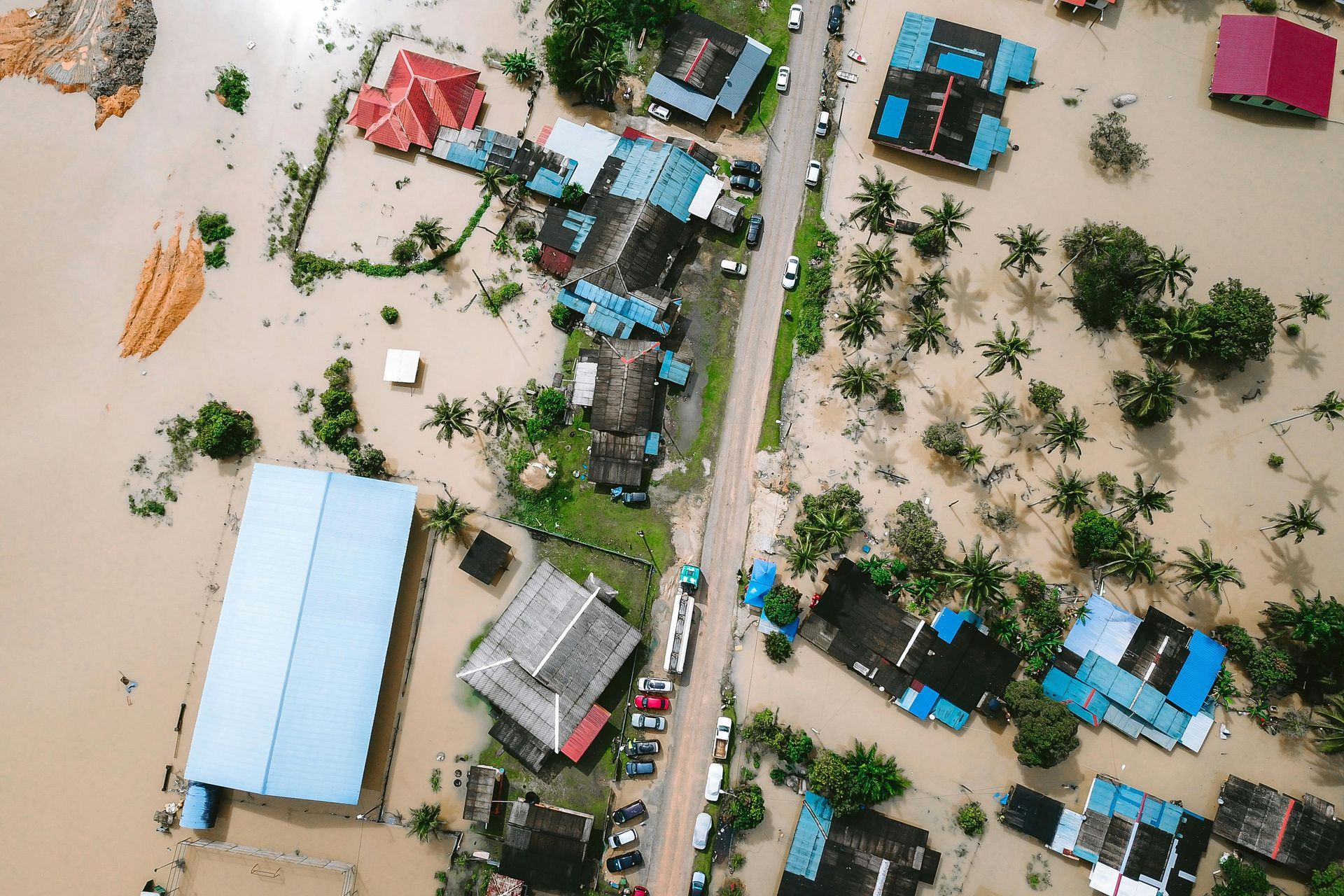
With hundreds of miles of canals, low-lying areas, waterfront properties, and exposure to tropical weather systems, many homes face elevated risks during storm season.
Some of the most common causes of water damage in Cape Coral include:
- Heavy rainfall
- Hurricane-related flooding
- Storm surge
- Roof leaks
- Wind-driven rain
- Broken plumbing lines
- Water heater failures
- Appliance leaks
- Overflowing drainage systems
Many homeowners are surprised to learn that some of the worst water damage incidents have nothing to do with hurricanes.
A slow leak hidden behind a wall can sometimes cause just as much damage as a major storm if it goes unnoticed long enough.
The Most Common Water Damage Problems We See During Storm Season
Not all water damage looks dramatic.
In fact, some of the most expensive repairs start with symptoms that seem minor.
Ceiling Stains
A small brown stain may not seem urgent.
But in many cases, it means water has already traveled through roofing materials, insulation, and drywall before becoming visible.
Warped Flooring
Wood, laminate, and even some vinyl flooring products can absorb moisture.
If your floor starts lifting, buckling, or separating after heavy rain, moisture may already be trapped underneath.
Musty Odors
One of the earliest warning signs of moisture problems is often smell.
If a room suddenly smells damp or musty after a storm, moisture may be hiding where you cannot see it.
Bubbling Paint
Paint that begins peeling, bubbling, or cracking often points to moisture inside the wall.
The paint itself is rarely the problem.
It is usually the symptom.
Why Water Damage Gets Worse Every Hour
A lot of homeowners focus on the water they can see.
The bigger concern is often the water they cannot.
Once moisture enters a structure, it begins moving into:
- Drywall
- Insulation
- Flooring
- Baseboards
- Cabinetry
- Framing
As these materials absorb moisture, the restoration process becomes more complicated.
The longer water remains, the greater the risk of:
- Structural damage
- Mold growth
- Material deterioration
- Indoor air quality issues
This is why professional water damage restoration Fort Myers and Cape Coral restoration services focus heavily on moisture detection and structural drying.
Flooding Is Not the Only Threat
Many people hear the phrase "water damage" and immediately think of floodwater.
The reality is much broader.
Storm season often creates damage through:
Roof Leaks
Strong winds can lift shingles, damage flashing, and create openings where water enters the home.
Window and Door Failures
Heavy rain pushed by high winds can find weaknesses around seals and frames.
AC System Issues
Florida air conditioning systems work hard year-round.
Clogged drain lines and condensation issues can sometimes create significant water damage inside a home.
Plumbing Problems
Storm-related power outages and pressure changes can sometimes expose weaknesses in aging plumbing systems.
The First 24 Hours Matter More Than Most People Realize
When water enters a home, timing becomes critical.
The first day often determines how extensive the damage becomes.
During the first 24 hours:
- Moisture spreads through materials
- Drywall absorbs water
- Flooring begins swelling
- Humidity rises throughout the home
This is also when the clock starts ticking on potential mold growth.
Fast flood cleanup and water damage restoration helps minimize these risks and reduces the likelihood of more extensive repairs later.
Why Fast Drying Is So Important
Many homeowners assume that once standing water is removed, the problem is solved.
Unfortunately, that is only the beginning.
Professional drying focuses on removing moisture from:
- Walls
- Floors
- Cabinets
- Structural materials
- Hidden cavities
Without proper drying, trapped moisture can remain for days or even weeks.
That lingering moisture is often what creates conditions for future mold problems.
Mold Growth Is One of the Biggest Concerns After Water Damage
Cape Coral's warm temperatures and humidity create ideal conditions for mold.
In many situations, mold is not the result of flooding itself.
It is the result of moisture that was never completely removed.
Mold can begin developing in:
- Drywall
- Insulation
- Cabinet bases
- Attics
- Flooring systems
This is why many homeowners who experience water damage eventually need mold remediation Fort Myers and Cape Coral-area services if drying is delayed.
Preventing mold is often far easier than removing it later.
What Homeowners Should Do After Water Damage
If your property experiences water intrusion:
Stay Safe
Avoid electrical hazards and structural concerns.
Document Everything
Take photos and videos before moving damaged items.
Remove Valuable Belongings
Move important items to dry areas when possible.
Contact Restoration Professionals Quickly
The sooner drying begins, the better the chances of minimizing long-term damage.
Storm Season Rewards Preparation
Many major restoration projects start with small issues that were already there.
A loose roof tile.
A clogged gutter.
A failing window seal.
A minor plumbing leak.
Storm season simply exposes those weaknesses.
Taking time to inspect your property before severe weather arrives can help reduce the likelihood of major water damage later.
What Cape Coral Homeowners Should Remember This Storm Season
The goal is not to panic every time rain appears in the forecast.
The goal is to be prepared.
Understanding how water damage starts, recognizing the warning signs early, and responding quickly when problems appear can make a tremendous difference in protecting your property.
Because in Cape Coral, water damage is not always about major hurricanes.
Sometimes it starts with a small leak and a few days of heavy rain.
And those are often the situations homeowners never see coming.
FAQ: Water Damage in Cape Coral
Is Cape Coral at high risk for flooding?
Certain neighborhoods and waterfront areas face increased flood risks due to canals, low elevation, and storm surge exposure.
How quickly can mold start growing after water damage?
In Southwest Florida's climate, mold can begin developing within 24 to 48 hours when moisture remains present.
Should I wait for insurance before starting cleanup?
No. Water damage continues spreading while you wait. Documentation is important, but rapid drying helps prevent additional damage.
Can water damage hide behind walls?
Yes. Moisture frequently travels into drywall, insulation, and framing long before visible symptoms appear.
What are the first signs of hidden water damage?
Musty odors, peeling paint, warped flooring, ceiling stains, and increased indoor humidity are common warning signs.